SCIENCE
Early Planet Formation Detected Around Young Star
▪
Read, Watch or Listen
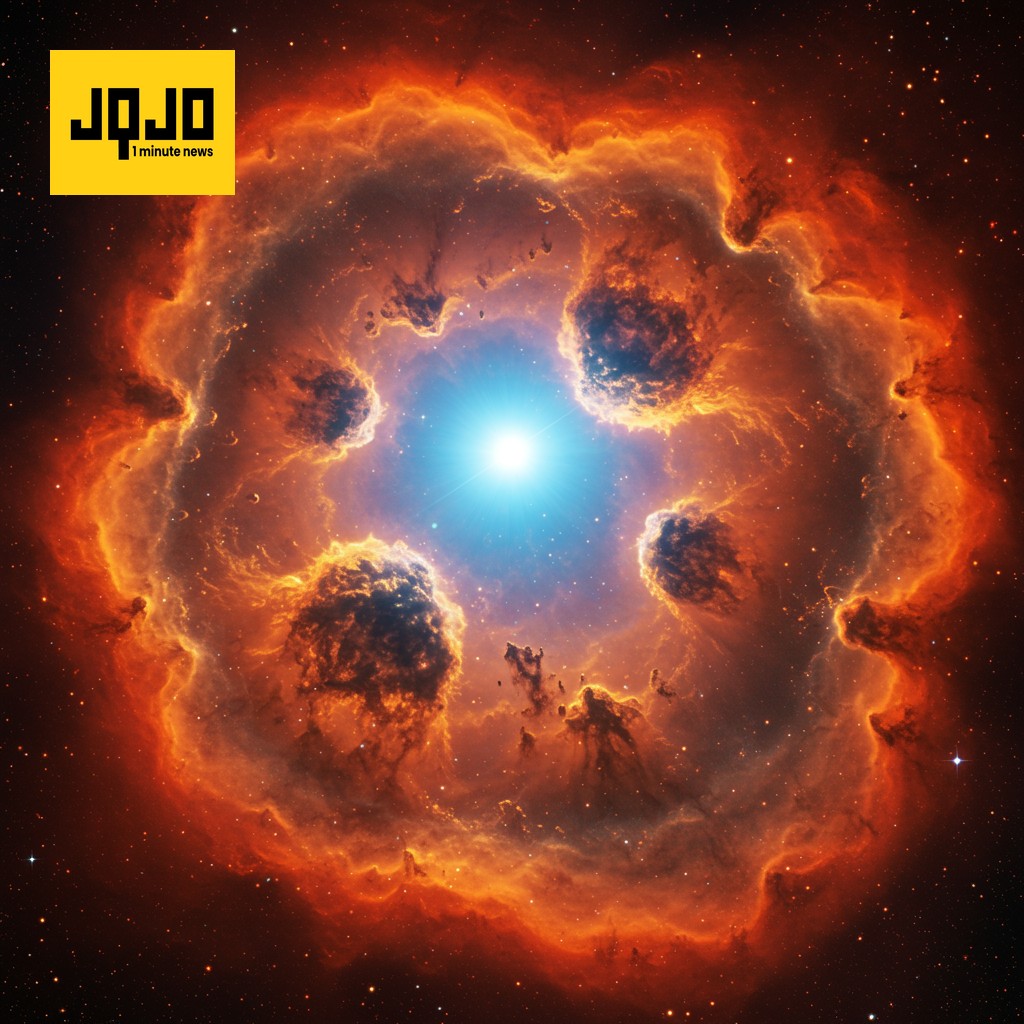
Astronomers have made a groundbreaking discovery of the earliest stages of rocky planet formation around a young star, HOPS-315, using the Webb Space Telescope and the European Southern Observatory. This unprecedented observation reveals the condensation of silicon monoxide gas and crystalline silicate minerals, key ingredients for planet formation, within the star's gas disk. The findings suggest this process may be common in the early stages of planetary system development, offering valuable insights into the formation of our own solar system 4.5 billion years ago. The research, published in Nature, opens new avenues for understanding the prevalence of Earth-like planets.
Prepared by Olivia Bennett and reviewed by editorial team.






Comments