SCIENCE
JWST Discovers First Exoplanet: A Saturn-like World
▪
Read, Watch or Listen
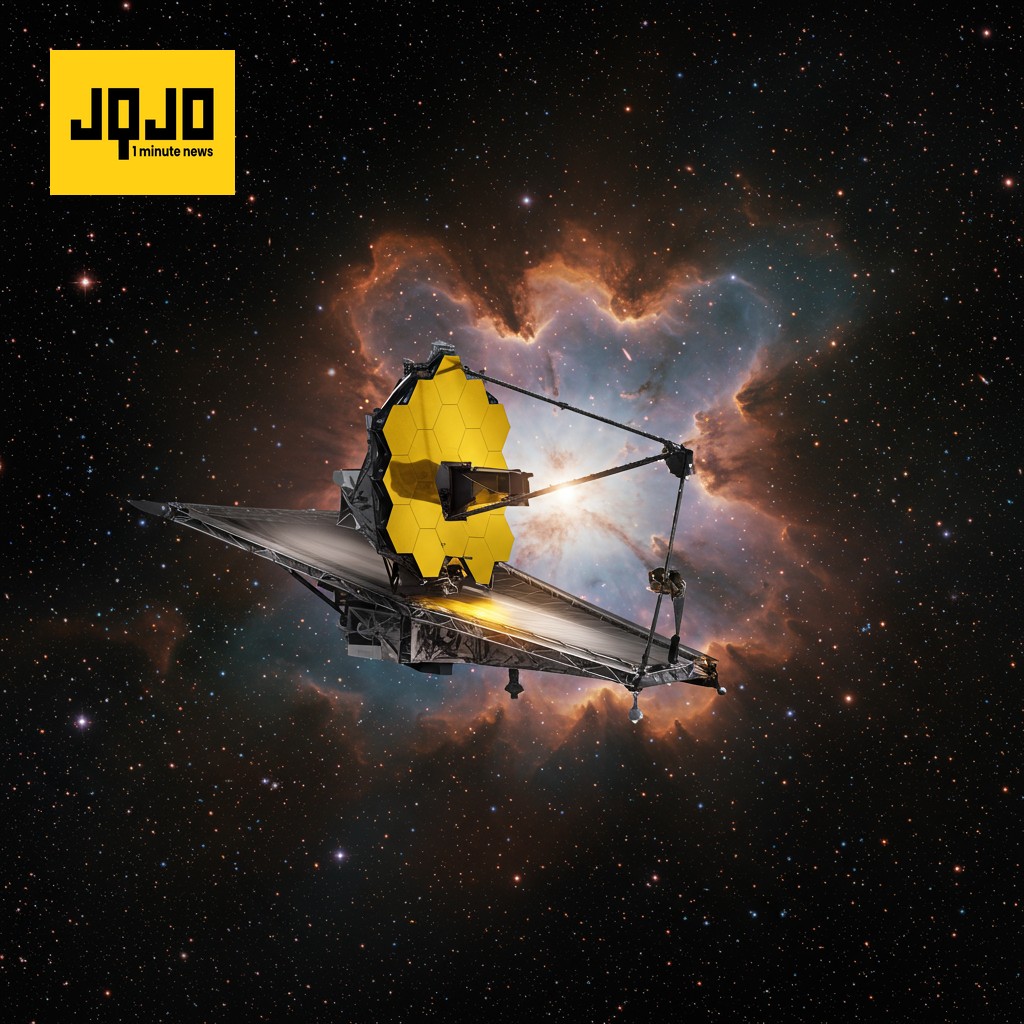
The James Webb Space Telescope (JWST) has made its first exoplanet discovery, a sub-Jupiter mass planet named TWA 7b, orbiting a young star. This discovery, detailed in Nature, was made possible by JWST's advanced capabilities, specifically a coronagraph that blocked the star's light to reveal the planet within a circumstellar disk. TWA 7b, lighter than Jupiter but heavier than Neptune, is located 52 astronomical units from its star and helps explain gaps observed in the protoplanetary disk. This breakthrough opens new avenues for studying young, faint exoplanets and their atmospheres.
Prepared by Olivia Bennett and reviewed by editorial team.




Comments